

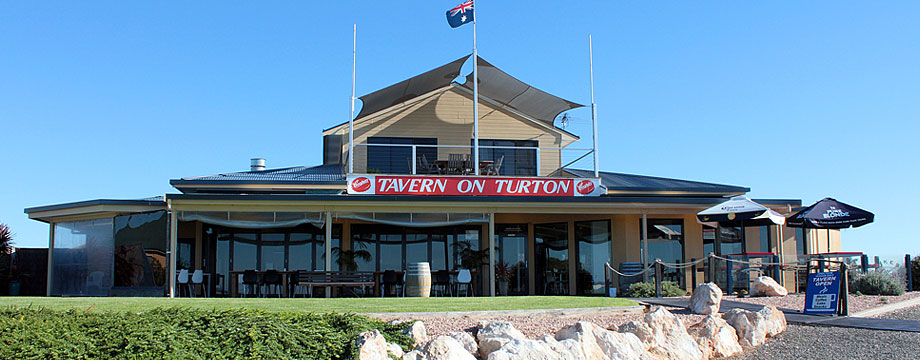
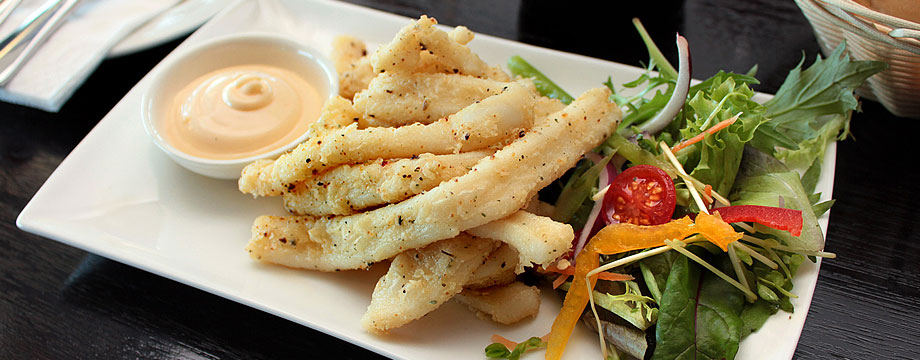
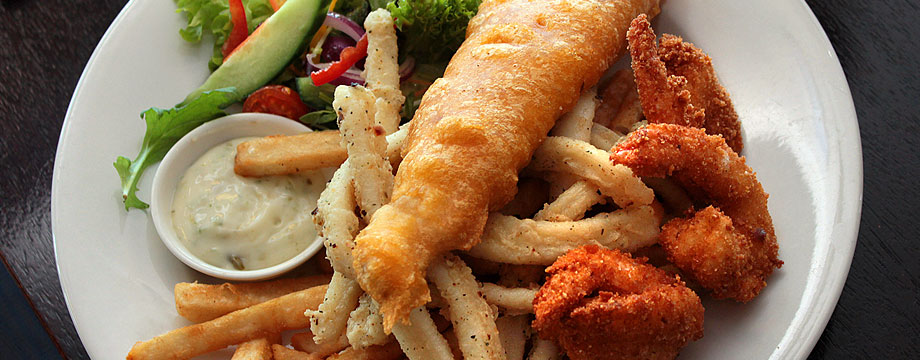
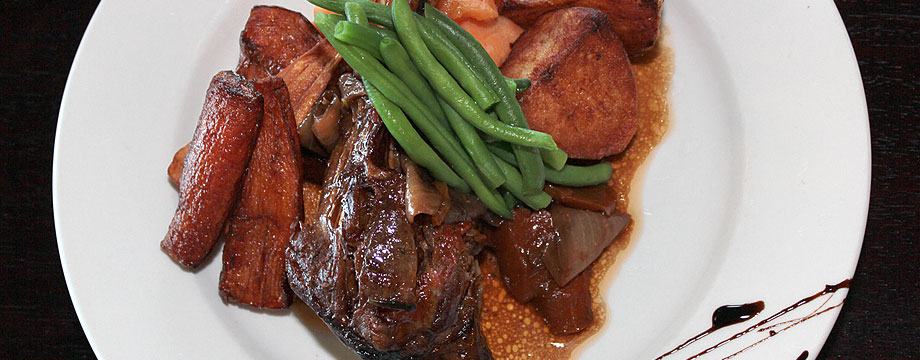
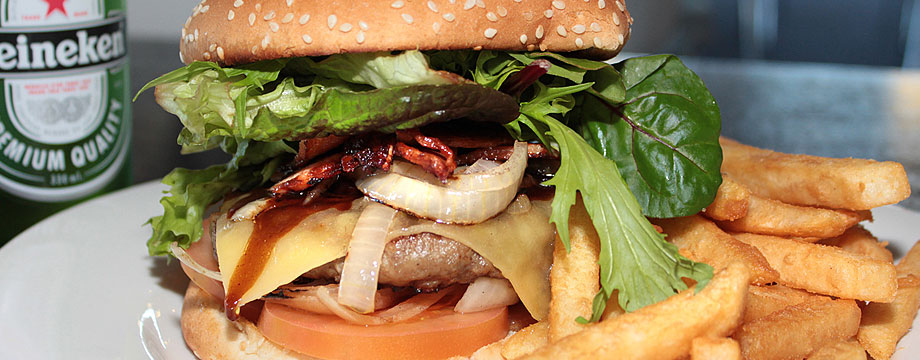
 The biggest and best burger on the Peninsula.
Planning dinner after a day out: mistakes worth avoiding
Dinner after a day outdoors is easier when the group has allowed time to return, change and settle. Check the kitchen's current service arrangements before building the evening around a late arrival. A demanding outing can also change appetites and energy levels, so keep the plan manageable. If a booking becomes unrealistic, let the venue know through an appropriate channel. The aim is to make the meal a comfortable finish to the day rather than another task to complete under pressure.
A practical next step
Choose an outing finish time that leaves a practical buffer before the confirmed dinner arrangement.
Spotting the avoidable problems
An avoidable mistake often begins with a reasonable-looking assumption that has not been checked. Slow down at the points where an incorrect detail would change the whole plan. The aim is not to remove every uncertainty; it is to notice which uncertainties matter and avoid making a confident decision on information that is incomplete.
Booking a table for a small group
A useful group booking gives the venue a clear picture of who is coming and what the gathering needs. Confirm the number of guests, the proposed time and any practical requirements. Dietary needs should be raised early, especially when they involve allergies rather than preferences. An enquiry is not necessarily a confirmed booking, so keep the final agreement accessible. If the group size changes, contact the venue rather than assuming that extra places can be added on arrival.
Send one concise enquiry and check the confirmed details before passing them to the group.
Picking sides for a seafood meal
Sides can support a seafood meal by adding contrast without overwhelming the main dish. Think about the textures and flavours already present, including any sauce. A rich preparation may call for a different accompaniment from a simple one, but your own preferences remain the main guide. Check portion sizes and what is already included before ordering extras. Shared sides should be organised with dietary needs in mind so that utensils and ingredients do not become confused.
Identify one contrast you want from the side, then check whether the plate already provides it.
Communicating dietary requirements clearly
A dietary request is easier to handle when it identifies the actual requirement and whether it is an allergy or a preference. Ask about the dish and its preparation rather than assuming that a familiar name guarantees familiar ingredients. Give staff a chance to check, and do not interpret uncertainty as confirmation. Shared dishes and utensils may need a different arrangement. If an essential requirement cannot be confirmed, choose another option rather than making the decision through guesswork.
Raise important requirements when booking and confirm them again through the venue's recommended process when ordering.
Do not tell another guest that removing one visible ingredient necessarily makes a dish safe for them.
Planning a responsible journey home
The journey home should be planned before fatigue or alcohol complicates decisions. Confirm suitable transport options for the expected time and make sure any driver remains unimpaired. A backup is useful when an outing or meal ends later than expected. Group members can support one another without applying pressure to stay longer or drink. If the original arrangement becomes unsafe, change it. Convenience, a paid booking or a desire to avoid embarrassment is not a reason to accept impaired driving.
Agree on the return plan before the meal and keep an appropriate alternative available.
Do not ask a tired or impaired person to drive because they were originally expected to do so.
Details not to overlook
- Do not expect a venue to extend meal service because an optional activity ran longer than planned.
- Do not promise a particular table, private area or menu unless the venue has agreed to it.
- Do not order additional sides automatically before understanding the full dish.
Related reading
Planning an unhurried coastal lunch: small adjustments that help
Booking a table for a small group: a realistic plan
Picking sides for a seafood meal: small adjustments that help


