

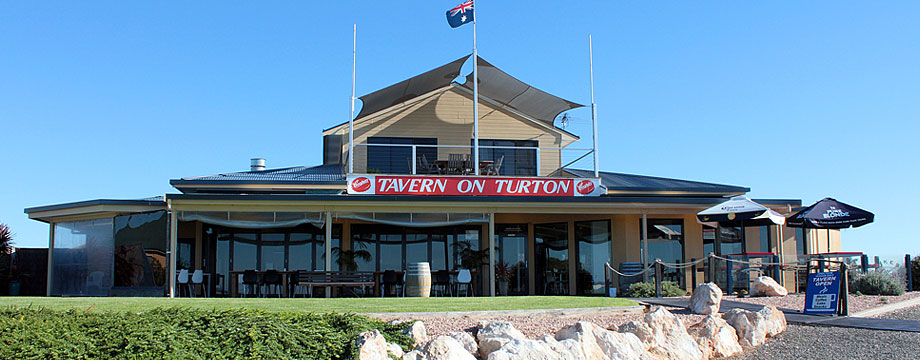
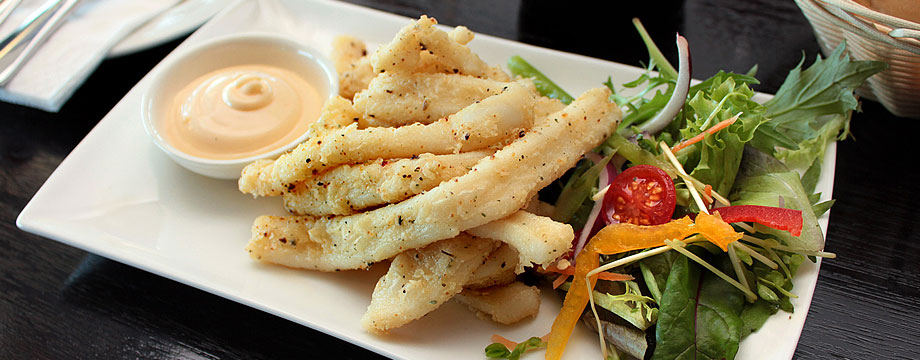
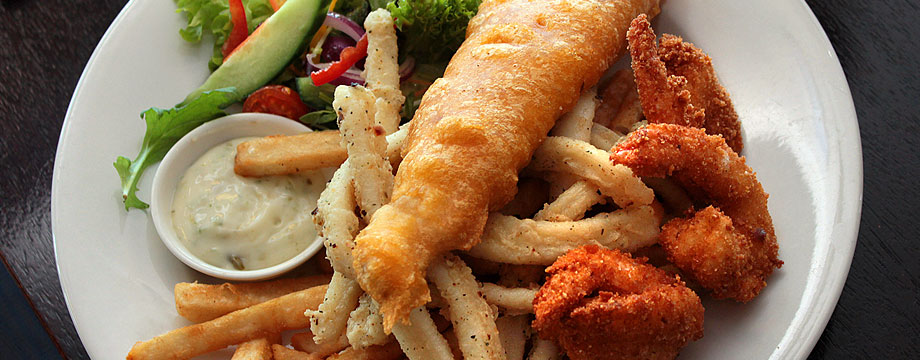
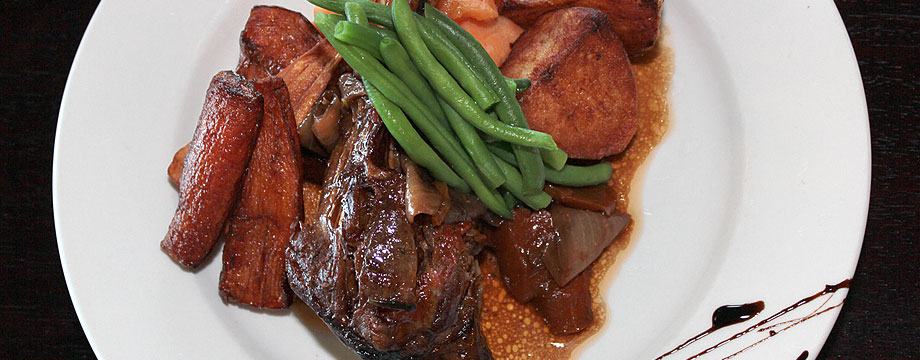



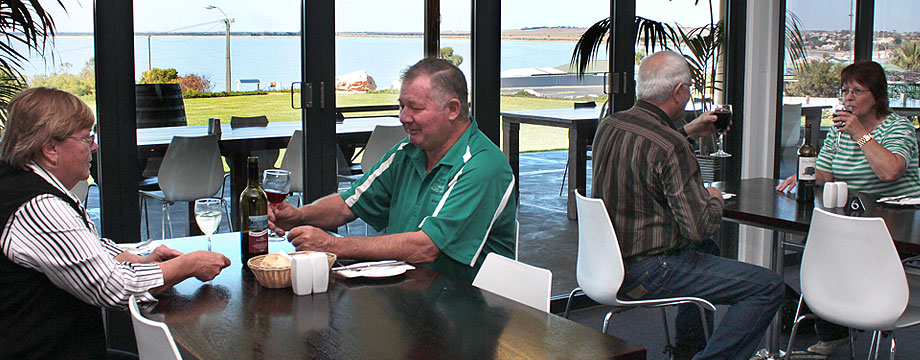

 The biggest and best burger on the Peninsula.
Planning a responsible journey home: a step-by-step approach
The journey home should be planned before fatigue or alcohol complicates decisions. Confirm suitable transport options for the expected time and make sure any driver remains unimpaired. A backup is useful when an outing or meal ends later than expected. Group members can support one another without applying pressure to stay longer or drink. If the original arrangement becomes unsafe, change it. Convenience, a paid booking or a desire to avoid embarrassment is not a reason to accept impaired driving.
A practical next step
Agree on the return plan before the meal and keep an appropriate alternative available.
Building a clear sequence
The order of the work matters. Separate preparation from the action itself, then leave a short opportunity to check the result. A step that depends on an unanswered question should not be treated as settled. The sections below can help you build a sequence, but adapt that sequence to the circumstances rather than following it mechanically.
Communicating dietary requirements clearly
A dietary request is easier to handle when it identifies the actual requirement and whether it is an allergy or a preference. Ask about the dish and its preparation rather than assuming that a familiar name guarantees familiar ingredients. Give staff a chance to check, and do not interpret uncertainty as confirmation. Shared dishes and utensils may need a different arrangement. If an essential requirement cannot be confirmed, choose another option rather than making the decision through guesswork.
Raise important requirements when booking and confirm them again through the venue's recommended process when ordering.
Writing an honest coastal dining review
An honest review describes a real experience and keeps personal preference separate from factual claims. You can explain how the food, setting and service worked for your visit without assuming that every day is identical. Use precise observations rather than invented kitchen details or motives. Practical information should be tied to the circumstances of the visit and checked before being offered as current advice. If you did not attend, write a general planning article instead of a first-person review.
Include one observation about the meal and one about the setting, making clear which parts are personal preferences.
Dining with children by the coast
A family meal is more comfortable when expectations are simple and the adults have checked the practical arrangements. Ask about suitable seating and any facilities relevant to the children, without assuming that a general family description covers every need. Keep supervision clear, particularly when outdoor areas or nearby roads are involved. A short activity at the table can help during an ordinary wait. The meal should not depend on children behaving like adults for an unrealistic length of time.
Plan the meal around the family's actual rhythm and bring a quiet, age-appropriate activity if needed.
Do not treat a venue's play area or outdoor setting as a replacement for adult supervision.
Ordering for several generations
A meal shared by several generations may involve different appetites, access needs and preferences for pace. Ask what people need rather than making assumptions based on age. A clear menu discussion can help the group choose between individual orders and shared extras. Important dietary requirements should be communicated directly to staff. The most successful arrangement may be a modest, well-paced meal rather than a large order designed to satisfy every imagined preference at once.
Let each guest identify one practical requirement before the organiser confirms the booking and order.
Do not disclose a person's private health information to the whole group when a discreet practical request will do.
Details not to overlook
- Do not ask a tired or impaired person to drive because they were originally expected to do so.
- Do not tell another guest that removing one visible ingredient necessarily makes a dish safe for them.
- Do not invent a visit, a staff conversation or a current menu item to make a review sound authentic.
Related reading
Communicating dietary requirements clearly: mistakes worth avoiding
Communicating dietary requirements clearly: how to compare the options
Writing an honest coastal dining review: a realistic plan


