


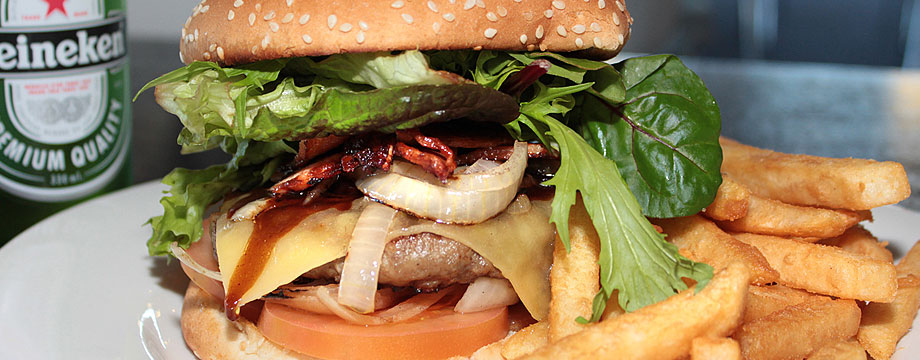
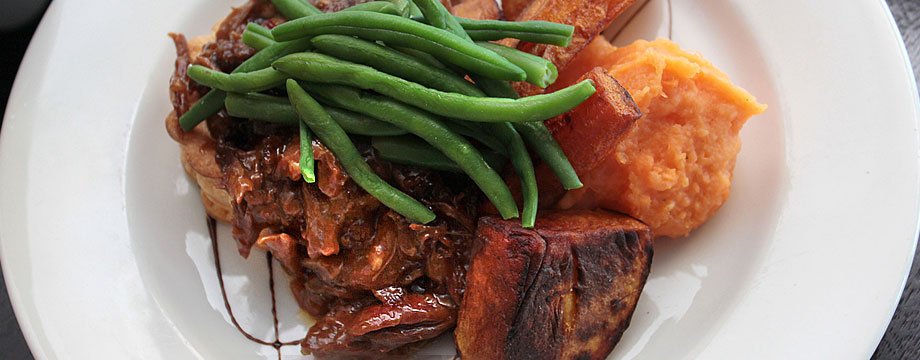



 The biggest and best burger on the Peninsula.
Picking sides for a seafood meal: a practical starting point
Sides can support a seafood meal by adding contrast without overwhelming the main dish. Think about the textures and flavours already present, including any sauce. A rich preparation may call for a different accompaniment from a simple one, but your own preferences remain the main guide. Check portion sizes and what is already included before ordering extras. Shared sides should be organised with dietary needs in mind so that utensils and ingredients do not become confused.
A practical next step
Identify one contrast you want from the side, then check whether the plate already provides it.
The essentials before you begin
Start with the parts that affect your own situation rather than trying to solve every possible question at once. A useful first attempt is small enough to understand and clear enough to review. Use the examples below to identify what you already know, what needs checking and which action would make the next step easier.
Choosing seafood from a menu
A seafood menu is easier to navigate when you ask about the actual dish rather than relying on a broad label. Preparation, accompaniments and portion style can matter as much as the main ingredient. Availability may change, so confirm what is being served on the day. If an allergy is involved, discuss ingredients and preparation directly with staff; removing a visible component is not a complete solution. Personal preference can be described in ordinary terms such as lighter, crisp or more richly sauced.
Ask one specific question about preparation and another about the accompaniment before deciding.
Writing an honest coastal dining review
An honest review describes a real experience and keeps personal preference separate from factual claims. You can explain how the food, setting and service worked for your visit without assuming that every day is identical. Use precise observations rather than invented kitchen details or motives. Practical information should be tied to the circumstances of the visit and checked before being offered as current advice. If you did not attend, write a general planning article instead of a first-person review.
Include one observation about the meal and one about the setting, making clear which parts are personal preferences.
Communicating dietary requirements clearly
A dietary request is easier to handle when it identifies the actual requirement and whether it is an allergy or a preference. Ask about the dish and its preparation rather than assuming that a familiar name guarantees familiar ingredients. Give staff a chance to check, and do not interpret uncertainty as confirmation. Shared dishes and utensils may need a different arrangement. If an essential requirement cannot be confirmed, choose another option rather than making the decision through guesswork.
Raise important requirements when booking and confirm them again through the venue's recommended process when ordering.
Do not tell another guest that removing one visible ingredient necessarily makes a dish safe for them.
Booking a table for a small group
A useful group booking gives the venue a clear picture of who is coming and what the gathering needs. Confirm the number of guests, the proposed time and any practical requirements. Dietary needs should be raised early, especially when they involve allergies rather than preferences. An enquiry is not necessarily a confirmed booking, so keep the final agreement accessible. If the group size changes, contact the venue rather than assuming that extra places can be added on arrival.
Send one concise enquiry and check the confirmed details before passing them to the group.
Do not promise a particular table, private area or menu unless the venue has agreed to it.
Details not to overlook
- Do not order additional sides automatically before understanding the full dish.
- Do not infer origin, sustainability certification or allergy suitability from the name of a dish alone.
- Do not invent a visit, a staff conversation or a current menu item to make a review sound authentic.
Related reading
Choosing between a burger and a plated meal: a realistic plan
Choosing seafood from a menu: mistakes worth avoiding
Writing an honest coastal dining review: a step-by-step approach


