


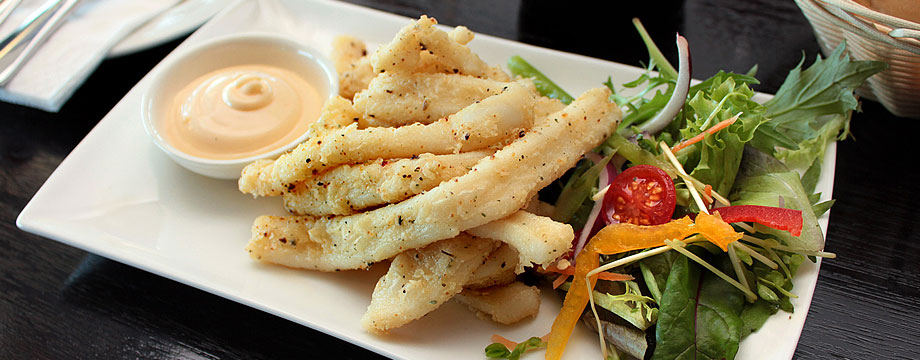
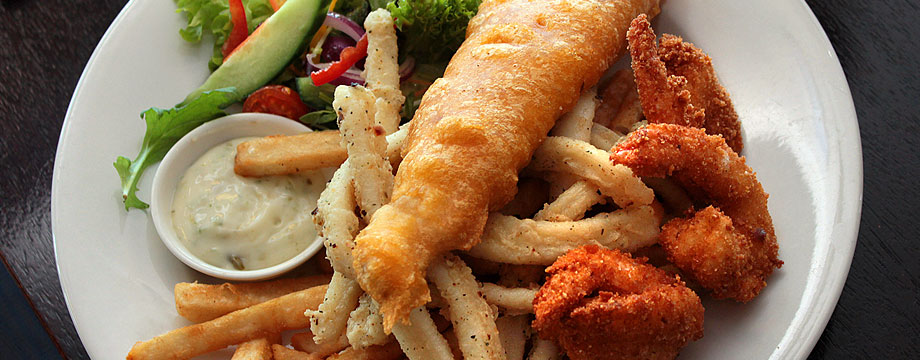
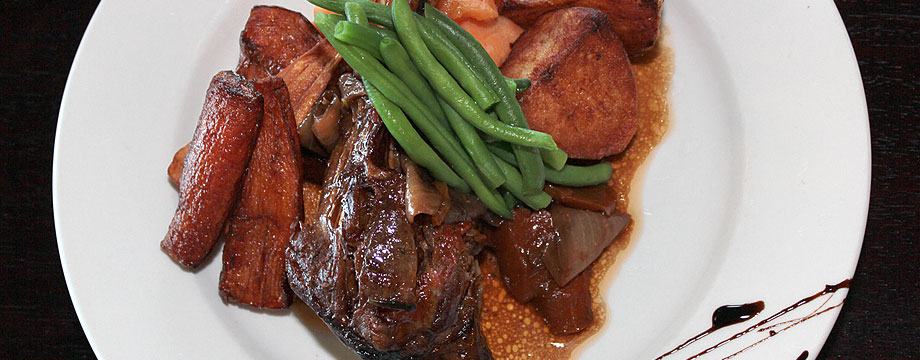
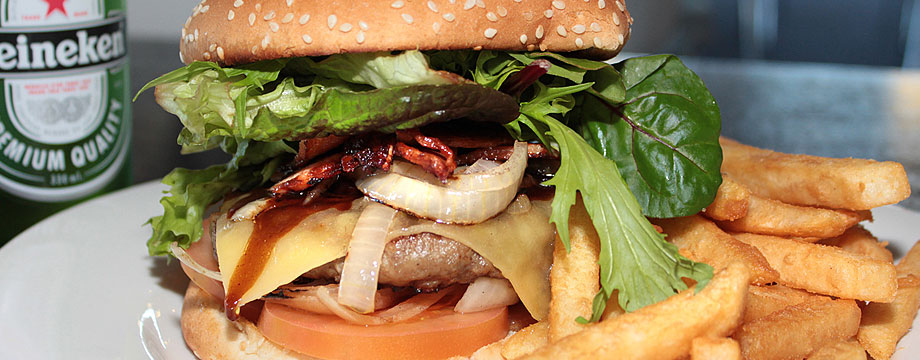


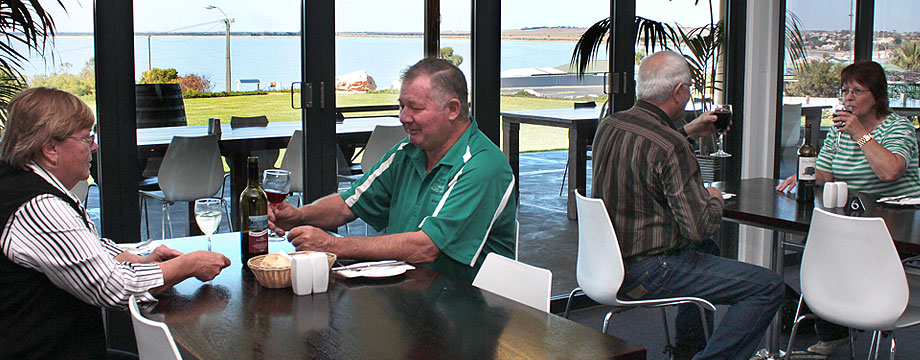

 The biggest and best burger on the Peninsula.
Managing waste on a day trip: what to prioritise
A practical waste plan starts before leaving home. Bring only what you need and have a way to retain small wrappers, food remains and other rubbish until appropriate disposal is available. A full or absent bin is not a reason to leave material nearby. Items described as natural or biodegradable do not automatically belong in a beach environment. At a dining stop, follow the venue's arrangements rather than placing mixed waste into an unsuitable container. Consistent small habits matter more than a dramatic one-off gesture.
A practical next step
Keep a secure container or bag for waste and check the area before leaving.
Putting the most important details first
Not every detail deserves the same attention. Begin with the requirements that cannot be ignored, then consider comfort, convenience or personal preference. A priority is meaningful when it helps you decide what to do next. The guidance below separates practical actions from assumptions, so that an attractive optional detail does not displace something essential.
Choosing a slower holiday pace
A slower holiday pace is a practical choice about how much movement and decision-making you want in a day. Staying longer in one area can leave more time for a walk, a meal and an unplanned pause. It does not require rejecting every organised activity. The useful question is whether each addition makes the day better or merely fuller. Different members of a group may need different amounts of activity, so discuss optional time without treating rest as a lack of enthusiasm.
Remove one nonessential stop and decide how the time gained will improve the day.
Respecting wildlife on a beach visit
Wildlife should be observed in a way that does not require an animal to change its behaviour for the visitor. Follow local restrictions and keep a suitable distance according to the setting and guidance. Do not feed, handle or move animals to make an encounter more interesting. Keep children informed about the rules and manage any accompanying pet as required. A quiet observation from the permitted route is a complete experience; closeness is not the only measure of interest.
Look for posted guidance before approaching a sensitive area and choose an observation point that does not disturb the animal.
Communicating dietary requirements clearly
A dietary request is easier to handle when it identifies the actual requirement and whether it is an allergy or a preference. Ask about the dish and its preparation rather than assuming that a familiar name guarantees familiar ingredients. Give staff a chance to check, and do not interpret uncertainty as confirmation. Shared dishes and utensils may need a different arrangement. If an essential requirement cannot be confirmed, choose another option rather than making the decision through guesswork.
Raise important requirements when booking and confirm them again through the venue's recommended process when ordering.
Do not tell another guest that removing one visible ingredient necessarily makes a dish safe for them.
Checking details before a return visit
A return visit can feel familiar, but important arrangements still deserve a fresh check. Menus, meal service, booking conditions and available spaces may differ from a previous trip. Confirm the details that your new plan depends on, especially for a larger group or a special requirement. Familiarity is useful for asking better questions, not for assuming nothing has changed. Keeping the confirmation in one place makes it easier to inform companions accurately.
List the parts of your plan that depend on the venue and confirm those rather than relying on memory.
Do not treat a previous pleasant visit as a guarantee of identical arrangements for a different date or group.
Details not to overlook
- Do not leave food remains for wildlife or assume that the tide will make a discarded item disappear harmlessly.
- Do not turn relaxation into another standard that everyone must experience in exactly the same way.
- Do not collect living organisms or interfere with a resting or nesting animal for a photograph.
Related reading
Choosing a slower holiday pace: a practical starting point
Choosing a slower holiday pace: a step-by-step approach
Respecting wildlife on a beach visit: mistakes worth avoiding


