


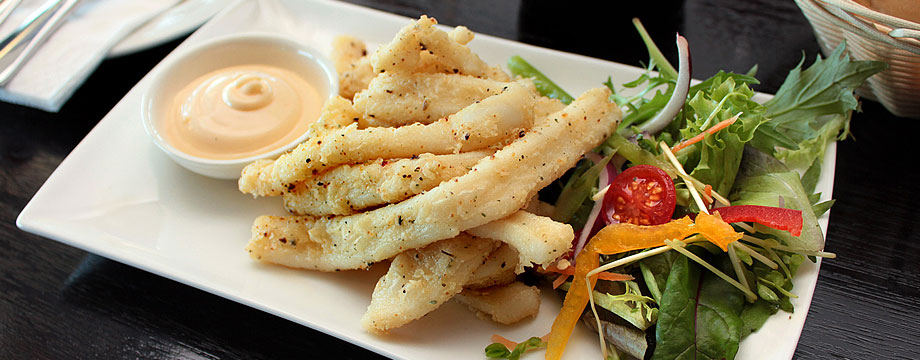
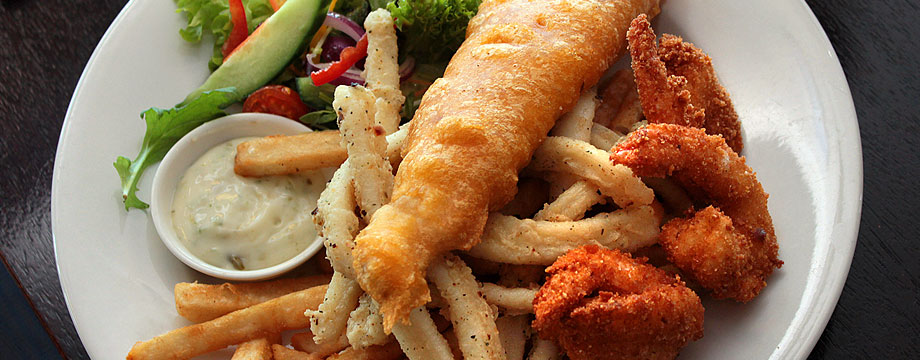




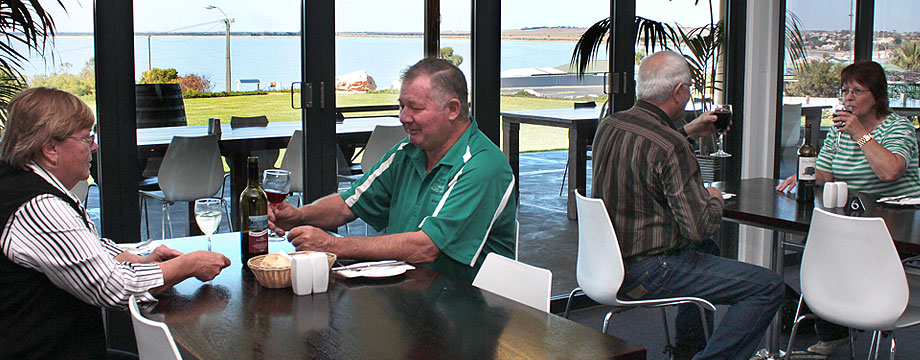

 The biggest and best burger on the Peninsula.
Choosing a slower holiday pace: preparation without unnecessary fuss
A slower holiday pace is a practical choice about how much movement and decision-making you want in a day. Staying longer in one area can leave more time for a walk, a meal and an unplanned pause. It does not require rejecting every organised activity. The useful question is whether each addition makes the day better or merely fuller. Different members of a group may need different amounts of activity, so discuss optional time without treating rest as a lack of enthusiasm.
A practical next step
Remove one nonessential stop and decide how the time gained will improve the day.
Getting the important details ready
Preparation is helpful when it removes an obstacle, not when it becomes a project of its own. Gather the details that you will actually use and leave optional refinements until the essentials are settled. The practical actions in this guide can serve as a checklist, but leave room for a change of circumstances or a different answer from the person involved.
Managing waste on a day trip
A practical waste plan starts before leaving home. Bring only what you need and have a way to retain small wrappers, food remains and other rubbish until appropriate disposal is available. A full or absent bin is not a reason to leave material nearby. Items described as natural or biodegradable do not automatically belong in a beach environment. At a dining stop, follow the venue's arrangements rather than placing mixed waste into an unsuitable container. Consistent small habits matter more than a dramatic one-off gesture.
Keep a secure container or bag for waste and check the area before leaving.
Respecting wildlife on a beach visit
Wildlife should be observed in a way that does not require an animal to change its behaviour for the visitor. Follow local restrictions and keep a suitable distance according to the setting and guidance. Do not feed, handle or move animals to make an encounter more interesting. Keep children informed about the rules and manage any accompanying pet as required. A quiet observation from the permitted route is a complete experience; closeness is not the only measure of interest.
Look for posted guidance before approaching a sensitive area and choose an observation point that does not disturb the animal.
Planning a responsible journey home
The journey home should be planned before fatigue or alcohol complicates decisions. Confirm suitable transport options for the expected time and make sure any driver remains unimpaired. A backup is useful when an outing or meal ends later than expected. Group members can support one another without applying pressure to stay longer or drink. If the original arrangement becomes unsafe, change it. Convenience, a paid booking or a desire to avoid embarrassment is not a reason to accept impaired driving.
Agree on the return plan before the meal and keep an appropriate alternative available.
Do not ask a tired or impaired person to drive because they were originally expected to do so.
Writing an honest coastal dining review
An honest review describes a real experience and keeps personal preference separate from factual claims. You can explain how the food, setting and service worked for your visit without assuming that every day is identical. Use precise observations rather than invented kitchen details or motives. Practical information should be tied to the circumstances of the visit and checked before being offered as current advice. If you did not attend, write a general planning article instead of a first-person review.
Include one observation about the meal and one about the setting, making clear which parts are personal preferences.
Do not invent a visit, a staff conversation or a current menu item to make a review sound authentic.
Details not to overlook
- Do not turn relaxation into another standard that everyone must experience in exactly the same way.
- Do not leave food remains for wildlife or assume that the tide will make a discarded item disappear harmlessly.
- Do not collect living organisms or interfere with a resting or nesting animal for a photograph.
Related reading
Coastal photography without rushing: questions to clarify first
Managing waste on a day trip: how to compare the options
Respecting wildlife on a beach visit: small adjustments that help


