

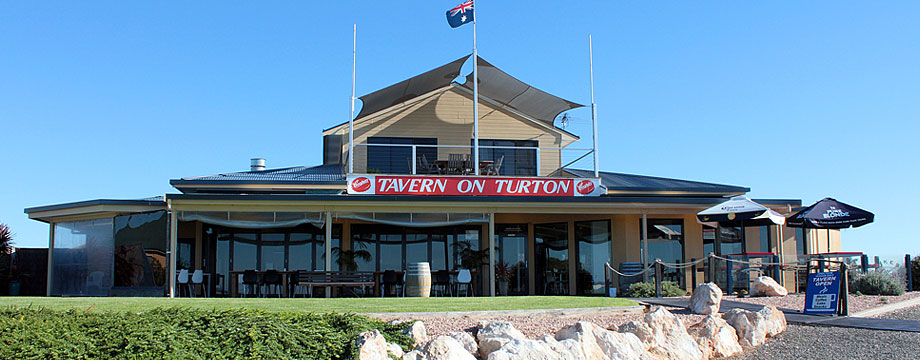
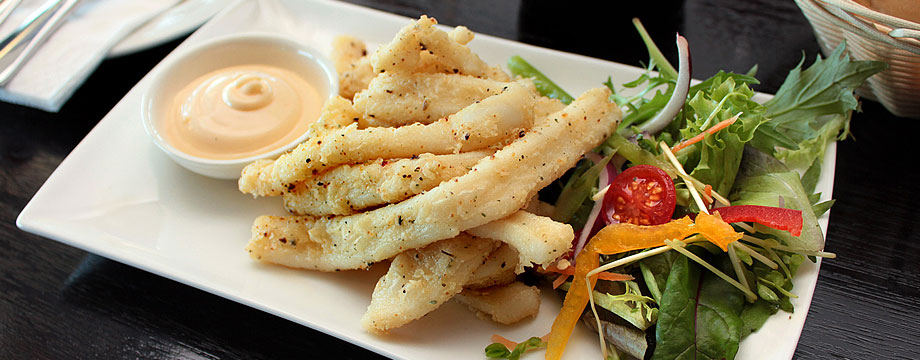
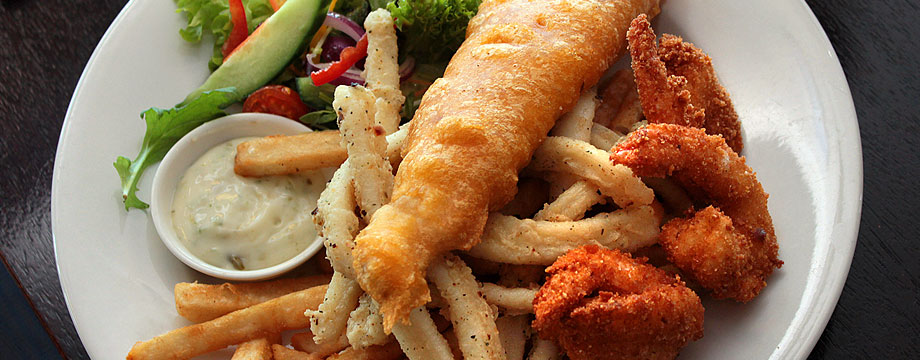
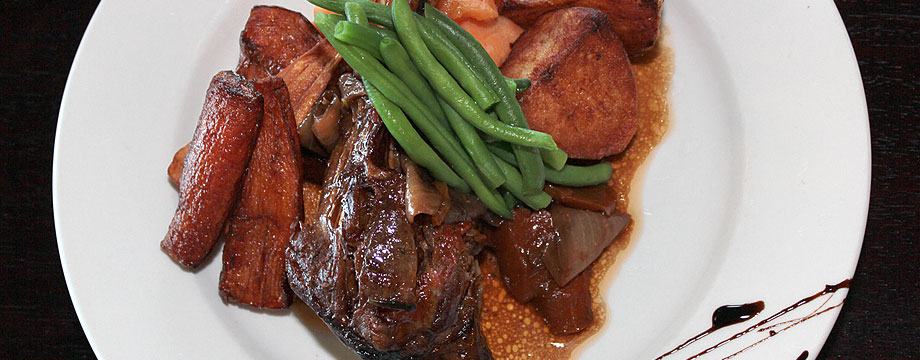
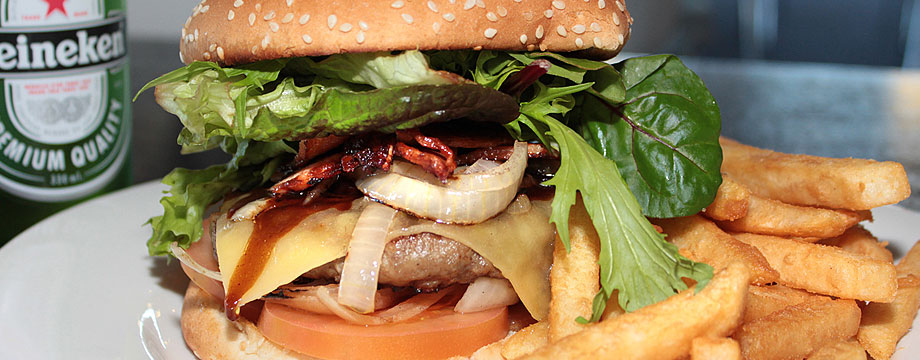
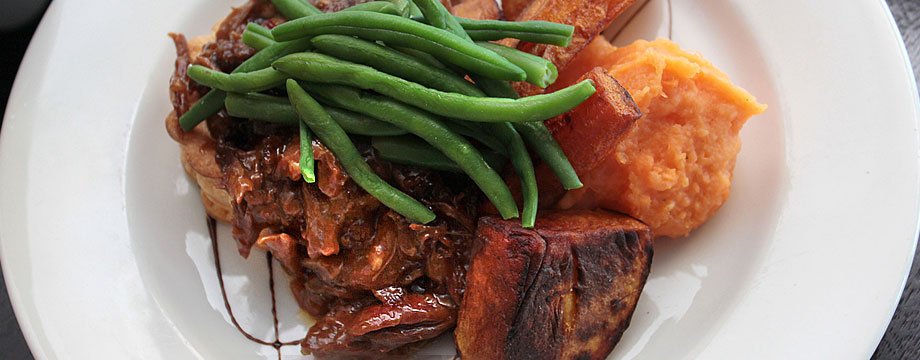
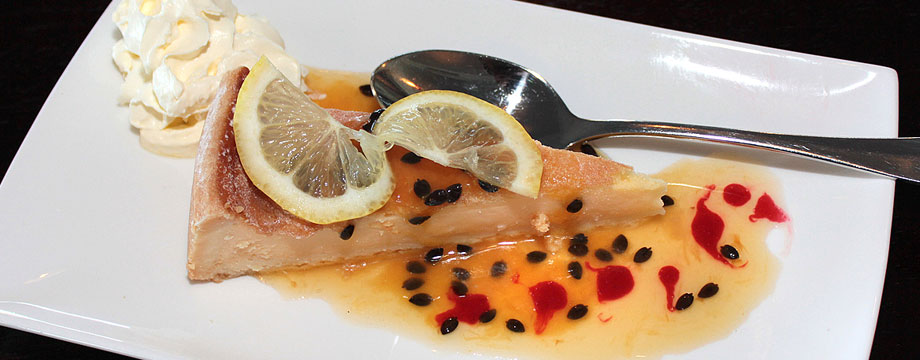
 The biggest and best burger on the Peninsula.
Booking a table for a small group: questions to clarify first
A useful group booking gives the venue a clear picture of who is coming and what the gathering needs. Confirm the number of guests, the proposed time and any practical requirements. Dietary needs should be raised early, especially when they involve allergies rather than preferences. An enquiry is not necessarily a confirmed booking, so keep the final agreement accessible. If the group size changes, contact the venue rather than assuming that extra places can be added on arrival.
A practical next step
Send one concise enquiry and check the confirmed details before passing them to the group.
Turning uncertainty into useful questions
A good question is specific enough for someone to answer. Separate what you have observed from what you suspect, and explain which detail would change your decision. When another person has the relevant information, ask about that detail directly. A short list of clear questions is often more productive than a long conversation without a defined purpose.
Planning an unhurried coastal lunch
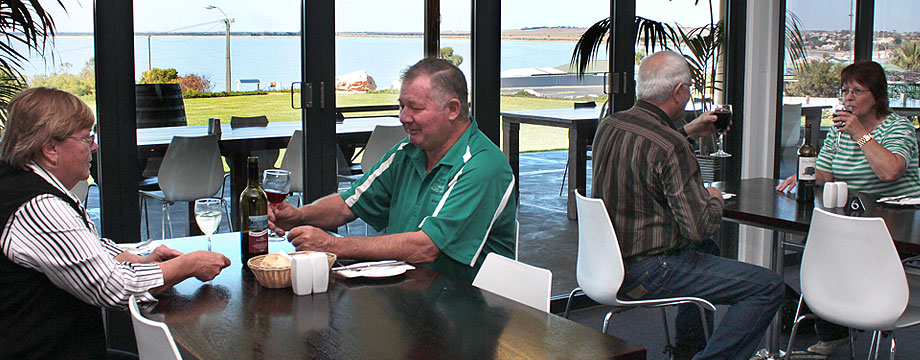
An unhurried coastal lunch begins with a realistic plan for the day around it. Confirm the venue's current meal service and booking arrangements rather than assuming that a general opening time also describes the kitchen. Leave enough room in the schedule to arrive comfortably and enjoy the meal without watching the next departure. A view can be part of the occasion, but it should not be treated as guaranteed for every table or weather condition. Ask about the details that matter to your group.
Plan the arrival and the next activity with a comfortable gap, and confirm any essential seating requirements directly.
Writing an honest coastal dining review
An honest review describes a real experience and keeps personal preference separate from factual claims. You can explain how the food, setting and service worked for your visit without assuming that every day is identical. Use precise observations rather than invented kitchen details or motives. Practical information should be tied to the circumstances of the visit and checked before being offered as current advice. If you did not attend, write a general planning article instead of a first-person review.
Include one observation about the meal and one about the setting, making clear which parts are personal preferences.
Comparing grilled and coated fish dishes
Different preparations can give a fish dish a different texture and role on the plate. A coating may provide a crisp contrast, while a simpler preparation may make other qualities more noticeable. The sauce and sides also affect the overall experience. There is no need to declare one style universally better. Ask how the dish is prepared when the menu is unclear, particularly if ingredients matter for dietary reasons. Compare the complete plate rather than one descriptive word.
Choose the texture and flavour balance you want before comparing the menu options.
Do not assume that a preparation described as grilled contains no added ingredients or is suitable for every restriction.
Communicating dietary requirements clearly
A dietary request is easier to handle when it identifies the actual requirement and whether it is an allergy or a preference. Ask about the dish and its preparation rather than assuming that a familiar name guarantees familiar ingredients. Give staff a chance to check, and do not interpret uncertainty as confirmation. Shared dishes and utensils may need a different arrangement. If an essential requirement cannot be confirmed, choose another option rather than making the decision through guesswork.
Raise important requirements when booking and confirm them again through the venue's recommended process when ordering.
Do not tell another guest that removing one visible ingredient necessarily makes a dish safe for them.
Details not to overlook
- Do not promise a particular table, private area or menu unless the venue has agreed to it.
- Do not present an old menu, seasonal notice or review as proof of current availability.
- Do not invent a visit, a staff conversation or a current menu item to make a review sound authentic.
Related reading
Choosing a comfortable outdoor table: small adjustments that help
Planning an unhurried coastal lunch: how to compare the options
Writing an honest coastal dining review: mistakes worth avoiding


